 Image 1 of 1
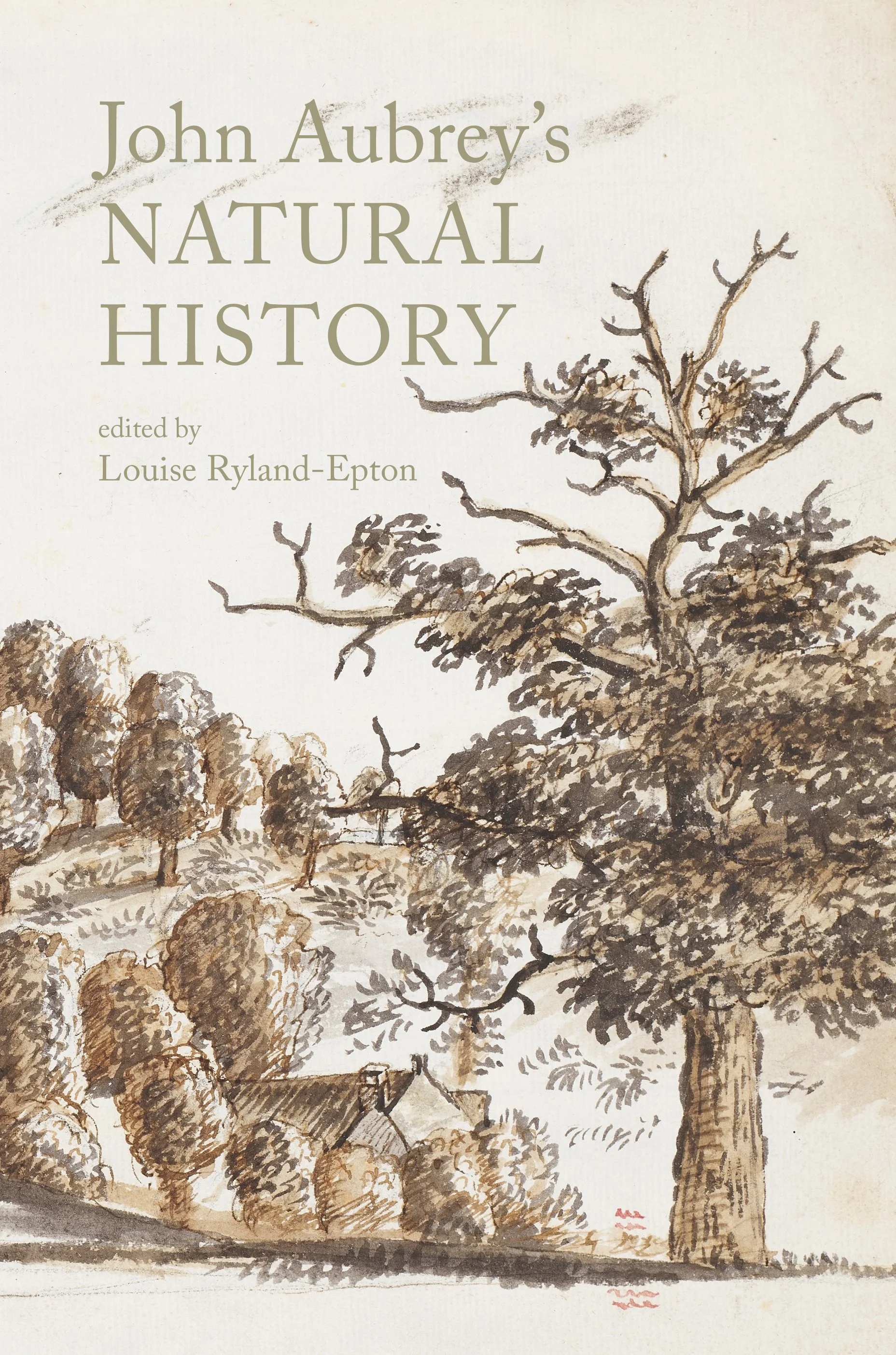
John Aubrey (1626-1697) is best known as a biographer and antiquarian, but he was also a scientist. Begun in 1656 and shaped over four decades, Aubrey's Natural History was the first systematic survey of an English county's natural world attempted, but it is something stranger and larger than that description suggests. Ostensibly of Wiltshire but drawing upon global insights across millennia, the content ranges from the air and the soil to the temperament of the people, from petrified shells in a landlocked county to garden design, the price of wool and the burning of the downland. Aubrey recorded the distribution of plant and animal species, deforestation, enclosures, and their environmental repercussions. Man and nature were, for Aubrey, part of an interconnected system. Aubrey weighed the testimony of farmers, servants, and women alongside that of Robert Hooke and Christopher Wren. He argued that the earth had been violently reshaped by catastrophe, that fossils were the remains of creatures now lost, and that the world was far older than the received chronology allowed. Published previously only in fragments, the work survives most completely in a 'fair' copy made for the Royal Society in 1691. This edition restores the whole, transcribed afresh from that manuscript, and lets Aubrey's Natural History be judged at last on its own terms. Published to coincide with the 400th anniversary year of Aubrey’s birth. September 2026, xxxiv + 478 pp. illustrated paperback,, £20, ISBN 978-1-918403-08-4, hardback, £30, ISBN 978-1-918403-09-1.
John Aubrey (1626-1697) is best known as a biographer and antiquarian, but he was also a scientist. Begun in 1656 and shaped over four decades, Aubrey's Natural History was the first systematic survey of an English county's natural world attempted, but it is something stranger and larger than that description suggests. Ostensibly of Wiltshire but drawing upon global insights across millennia, the content ranges from the air and the soil to the temperament of the people, from petrified shells in a landlocked county to garden design, the price of wool and the burning of the downland. Aubrey recorded the distribution of plant and animal species, deforestation, enclosures, and their environmental repercussions. Man and nature were, for Aubrey, part of an interconnected system. Aubrey weighed the testimony of farmers, servants, and women alongside that of Robert Hooke and Christopher Wren. He argued that the earth had been violently reshaped by catastrophe, that fossils were the remains of creatures now lost, and that the world was far older than the received chronology allowed. Published previously only in fragments, the work survives most completely in a 'fair' copy made for the Royal Society in 1691. This edition restores the whole, transcribed afresh from that manuscript, and lets Aubrey's Natural History be judged at last on its own terms. Published to coincide with the 400th anniversary year of Aubrey’s birth. September 2026, xxxiv + 478 pp. illustrated paperback,, £20, ISBN 978-1-918403-08-4, hardback, £30, ISBN 978-1-918403-09-1.