
 Image 1 of 1
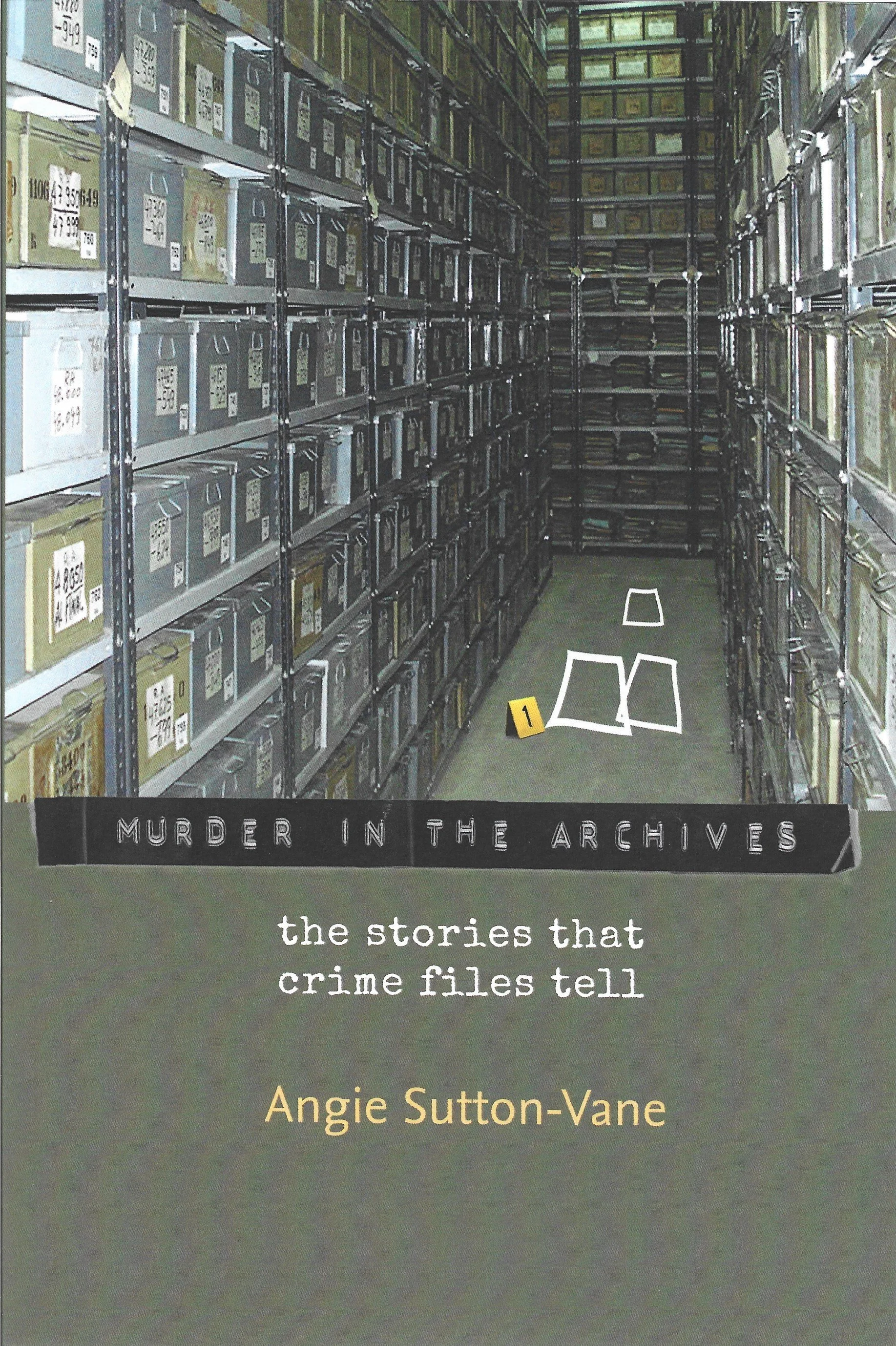
Following the life-stories of the most elite and rare of police records the author has turned the tables on those murder files which have found their way into the public domain and currently sit in records offices across England and Wales. Rather than using the file as a simple vessel for information she reinterprets it as a complex object with an important story to tell around the relationship between the detective and his paperwork, the upheaval of force mergers, the ethics of access, along with the influences of organisational and personal memory. Through the often-bizarre stories of how murder files were preserved during a brief period of contemporary history from the 1900s to the 1990s, the book also addresses wider and current concerns around the preservation of, and access to, police records and organisational accountability. Working at the little explored archival coalface it questions how and why history is laid down and interpreted. It will appeal l to a wide audience, both academic and non-academic. Writers and readers of true crime and crime fiction, historians of criminal justice and policing, retired and serving members of police forces, archivists, records and information managers, users of archives or those simply interested in the archival process will find a unique and transformative work. September 2026, xv, 287 pages, illustrated paperback, £20.00, ISBN 978-1-918403-10-7.
Following the life-stories of the most elite and rare of police records the author has turned the tables on those murder files which have found their way into the public domain and currently sit in records offices across England and Wales. Rather than using the file as a simple vessel for information she reinterprets it as a complex object with an important story to tell around the relationship between the detective and his paperwork, the upheaval of force mergers, the ethics of access, along with the influences of organisational and personal memory. Through the often-bizarre stories of how murder files were preserved during a brief period of contemporary history from the 1900s to the 1990s, the book also addresses wider and current concerns around the preservation of, and access to, police records and organisational accountability. Working at the little explored archival coalface it questions how and why history is laid down and interpreted. It will appeal l to a wide audience, both academic and non-academic. Writers and readers of true crime and crime fiction, historians of criminal justice and policing, retired and serving members of police forces, archivists, records and information managers, users of archives or those simply interested in the archival process will find a unique and transformative work. September 2026, xv, 287 pages, illustrated paperback, £20.00, ISBN 978-1-918403-10-7.