
 Image 1 of 1
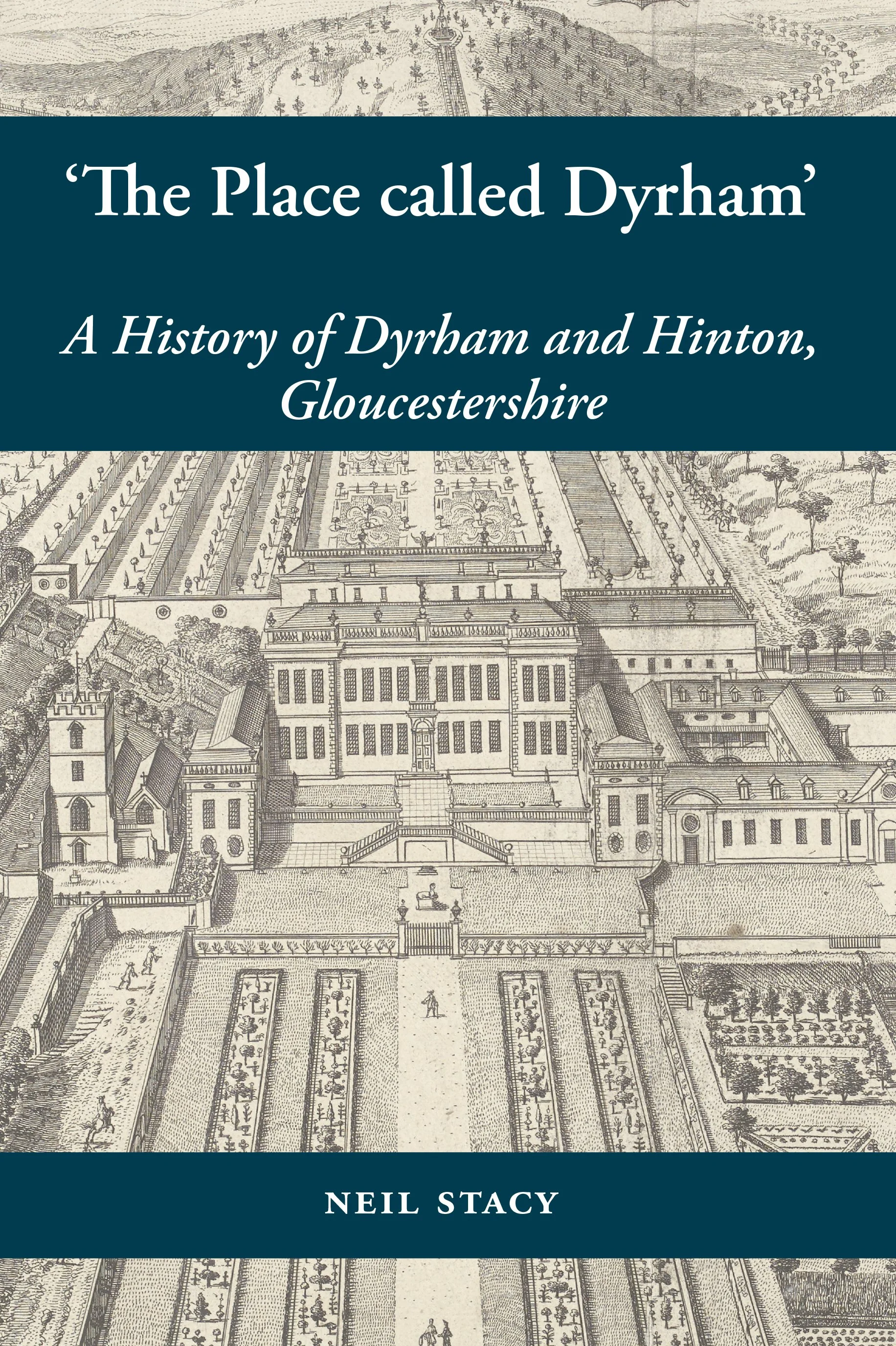
William the Conqueror’s standard-bearer at Hastings, a rebel against King John and one of his trusted agents, members of the court of Henry VIII, sea-faring adventurers who were not shy of piracy during the reign of Elizabeth I, a squire who helped fugitive Royalists, including Charles II himself, elude their Cromwellian pursuers, and one of the most efficient administrators in the history of the British empire – all feature as lords of ‘the place called Dyrham’, which was the location given in the Anglo-Saxon Chronicle for a victory of Saxons over Romano-Britons in 577. This book traces the history of this Gloucestershire parish from the era of the Iron Age fort on Hinton Hill to modern times, examining the origin of the parish and manor, the layout of its settlement, the lives of those who worked or leased its land, and provided the crafts, trade, public houses, and local government that enabled it to function. Its society is studied as it developed from one of peasant cultivators into one of a few farmers and many landless farmhands, while the manorial authorities struggled to house a rising population, and the parochial officers sought to alleviate poverty. Religion in the parish is examined through the careers of rectors from the late 12th century onwards, describing the stress they endured during the Tudor Reformation, their contribution to the education of their congregation in the 17th and 18th centuries, and their reaction to the growth of Nonconformity in Hinton in the 19th. The book follows the descendants of the builder of Dyrham’s baroque mansion as they struggled to preserve his legacy, falling into debt as their income failed to sustain the lifestyle he bequeathed – a problem exacerbated by an embezzling bailiff, by the elopement of an heiress with a penniless adventurer, and by the plunder of the estate by the family of a long-lived widow who had lapsed into senility, and finally by crippling taxation. . Summer 2026, colour illustrations and maps, ISBN 978-1-918403-06-0 £25.00 (paperback), 978-1-918403-07-7 (hardback)
William the Conqueror’s standard-bearer at Hastings, a rebel against King John and one of his trusted agents, members of the court of Henry VIII, sea-faring adventurers who were not shy of piracy during the reign of Elizabeth I, a squire who helped fugitive Royalists, including Charles II himself, elude their Cromwellian pursuers, and one of the most efficient administrators in the history of the British empire – all feature as lords of ‘the place called Dyrham’, which was the location given in the Anglo-Saxon Chronicle for a victory of Saxons over Romano-Britons in 577. This book traces the history of this Gloucestershire parish from the era of the Iron Age fort on Hinton Hill to modern times, examining the origin of the parish and manor, the layout of its settlement, the lives of those who worked or leased its land, and provided the crafts, trade, public houses, and local government that enabled it to function. Its society is studied as it developed from one of peasant cultivators into one of a few farmers and many landless farmhands, while the manorial authorities struggled to house a rising population, and the parochial officers sought to alleviate poverty. Religion in the parish is examined through the careers of rectors from the late 12th century onwards, describing the stress they endured during the Tudor Reformation, their contribution to the education of their congregation in the 17th and 18th centuries, and their reaction to the growth of Nonconformity in Hinton in the 19th. The book follows the descendants of the builder of Dyrham’s baroque mansion as they struggled to preserve his legacy, falling into debt as their income failed to sustain the lifestyle he bequeathed – a problem exacerbated by an embezzling bailiff, by the elopement of an heiress with a penniless adventurer, and by the plunder of the estate by the family of a long-lived widow who had lapsed into senility, and finally by crippling taxation. . Summer 2026, colour illustrations and maps, ISBN 978-1-918403-06-0 £25.00 (paperback), 978-1-918403-07-7 (hardback)